G05 One line in your BOM is sabotaging you (Lead Time)
Your product is not late because of the factory. It is late because you ordered components like you were buying from Amazon Prime.
Lead time is the total duration from PO (Purchase Order) issuance to delivered goods, covering component procurement, manufacturing, and logistics. In consumer electronics, that number is often longer than factories initially quote, because they typically quote assembly time assuming parts are already available.
Lead time is not one number. It is a stack of dependencies.
What actually drives lead time:
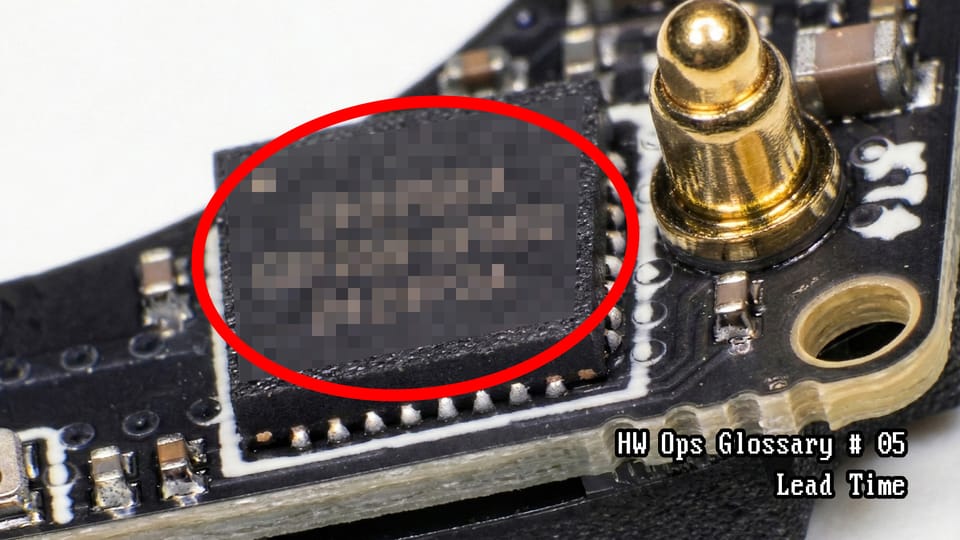
Component availability is the biggest variable. Semiconductors, connectors, displays, and batteries each have their own supply cycles. A single chip with 16-week lead time will anchor your entire build, no matter how fast the assembly line runs.
Factory capacity matters, but often less than founders assume. With components kitted and a slot confirmed, many CMs (Contract Manufacturers) can turn boards in 2 to 4 weeks, though complex builds, test bottlenecks, fixture availability, and rework loops can stretch that to 6 weeks or more. The constraint is often downstream of SMT: test, firmware, burn-in, or yield issues.
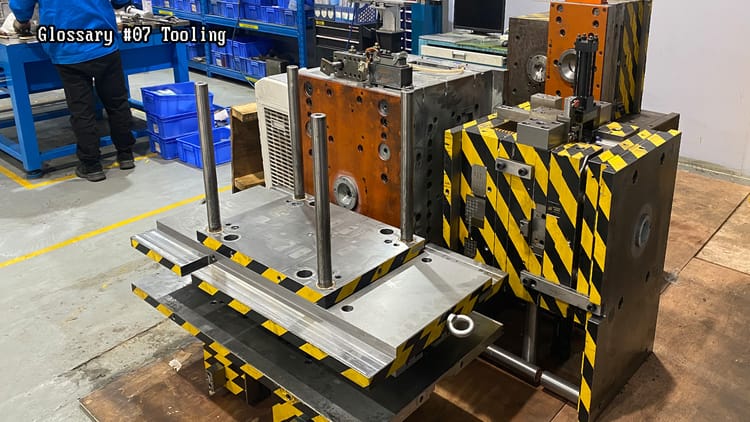
Tooling and custom parts add weeks or months. Injection molds, stamping dies, and custom cables require 4 to 12 weeks depending on complexity. Add iteration cycles for T0/T1/T2 sampling and rework, which can double that window.
PCB fabrication can anchor schedules for HDI, controlled impedance, or specialty laminates.
Logistics stack on top. Sea freight, air freight, customs clearance, paperwork holds, and local delivery all add time and variance.
Seasonality constrains capacity and stretches timelines. Chinese New Year, US holiday demand surges, and allocation cycles can double your lead time if you ignore the calendar.
How to reduce lead time without gambling on inventory:
Pre-procure long-lead components for parts with stable, locked specifications. Identify every component with lead time significantly above your BOM average and order or reserve them before production timing is final. Understand NCNR (Non-Cancelable, Non-Returnable) terms before you commit. This is not speculation if the design is frozen.
If you are ordering from an OEM or ODM supplier and do not have visibility into the BOM, ask whether they can pre-order the longest-lead components on your behalf. Most suppliers will do this if you commit to the order. It usually shaves weeks off the schedule.
Forecast demand with discipline. Even rough quarterly projections let your CM and distributors plan allocation. Surprises create delays.
Design for availability. Choose components with shorter lead times or multiple approved sources when possible.
Build relationships with distributors. Allocation is not democratic. Customers with history and volume commitments get priority when supply tightens.
Reserve critical long-lead items early when confidence is high, but only for parts unlikely to change and ideally with cancellation terms. Buying at-risk without guardrails is how you end up with dead inventory after an ECO (Engineering Change Order).
Checklist for your next build:
- Identify single-source parts and create backup options.
- Align your launch calendar with supplier and factory capacity cycles.
- Reserve long-lead items for locked parts, with clear NCNR terms.
- Build buffer into your plan. Buffer is not waste, it is insurance.
The founders who ship on time are not the ones with the fastest factories. They are the ones who respect the calendar and order early.