G06 Production-ready? Prove it (EVT/DVT/PVT)
"We are almost production-ready" is how hardware founders lose credibility with experienced investors. Burned investors ask one question: What build stage are you actually in?
EVT, DVT, and PVT are not bureaucratic checkboxes. They are gates between prototypes and products that ship
You can parallelize work. You cannot skip learning
EVT (Engineering Validation Test) answers: Does the design actually work?
- First functional units, often hand-built or made with soft tooling
- Testing core functionality, basic performance, catching major design flaws early
- Typical quantity depends on complexity, but 20 to 50 units is common
- Design changes are cheap here and painful later
DVT (Design Validation Test) answers: Does it survive real-world conditions?
- Production-intent units from near-final tooling
- Reliability testing: drops, thermal cycling, ESD, life cycle stress
- Regulatory pre-testing to reduce certification risk (not eliminate it)
- Firmware feature-complete and test stations validated
- Typical quantity: 50 to 200 units, sometimes more for field trials or channel needs
- Changes after DVT are not impossible, but they cascade across tooling, test, reliability, and certification
PVT (Production Validation Test) answers: Can we build it repeatably at scale?
- Final tooling, final process, final production line
- Validating yield rates, cycle times, defect patterns, and supplier readiness
- This is the dress rehearsal before mass production begins
- Typical quantity: 200 to 1000 units, depending on yield targets and channel needs
- Outcome is either green light for MP or go back and fix what broke
Founders get burned when they compress these stages or jump from EVT to PVT because they are "running out of time." The calendar might shrink with parallel work. The learning does not. You pay for it now or later at a much higher rate
Practical checklist (use this in your next build review)
Before EVT sign-off, confirm
- All critical functions demonstrated in multiple working units
- Major design risks identified, documented, and assigned owners
- Critical and long-lead components identified with alternates where possible
Before DVT sign-off, confirm
- Reliability tests completed with pass criteria defined before testing started
- Regulatory pre-scan done and major gaps addressed
- Firmware feature-complete and test coverage validated
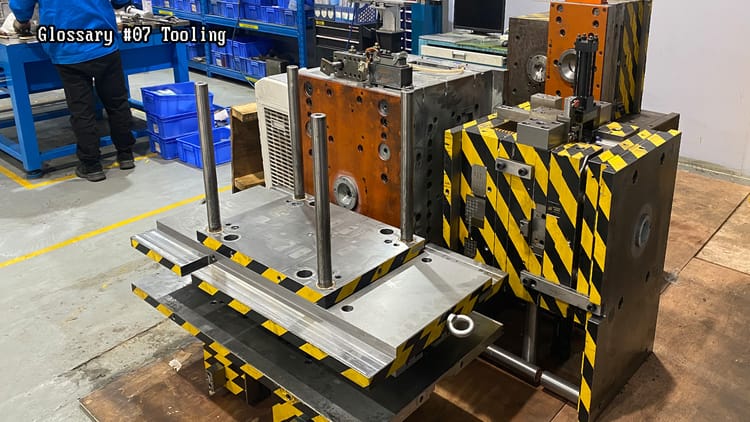
- Tooling at production-intent state, not prototype or bridge state
Before PVT sign-off, confirm
- Yield target met on at least 3 consecutive production builds
- All test stations correlated and documented
- Supply chain qualified: vendors, second sources, incoming inspection
- Packaging, labeling, and logistics flow tested end-to-end
The question to ask your team every week: What stage are we actually in, and what specifically is blocking us from exiting it?
If your team cannot answer that question clearly, your timeline is a guess dressed up as a plan.