G08 $0.40 part, $200,000 problem (Yield)

The most dangerous line in hardware is "yield should be fine." Three words. Six figures in dead inventory.
Here's a real scenario. You've got a batch of 10,000 units for which the customer paid upfront. Full lot, components, assembly, everything. BOM is locked, suppliers confirmed, assembly slots booked, everything on track.
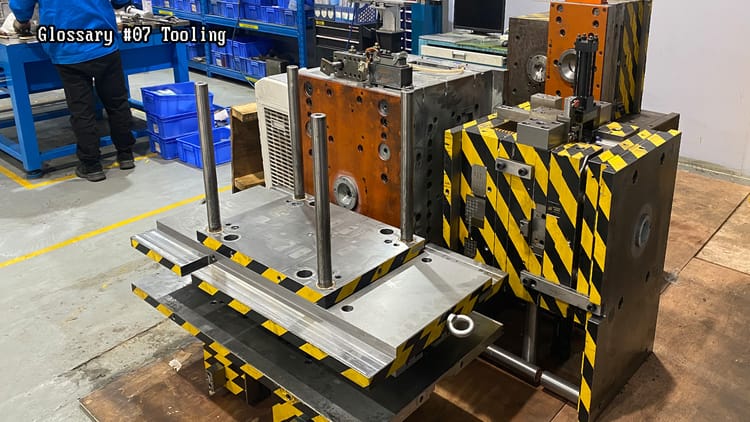
Then your component supplier calls. A custom molded part, maybe $0.40 a piece, with tight tolerances, specific material. Their production run came up short. Yield was way below what they planned for, and they can only ship 7,000 good pieces out of the 10,000 they committed to. You ordered overage, but sized for normal assembly attrition, not a supplier shortfall this big.
Not your main IC, not your display. A small mechanical component nobody flagged as a risk. But it's custom tooled, single sourced, and a new production run takes 14 weeks.
Now do the math. You're short 3,000 pieces of that one component. You can only build 7,000 units instead of 10,000. The other 3,000 units worth of components, every PCB, connector, housing, label, sits in a warehouse. Paid for and completely useless.
That's 30% of your total BOM cost locked up in inventory you can't ship. And your customer already paid for 10,000 units.
So now you're making the call. "We can deliver 7,000 now. The rest... we're working on it." Working on it means the supplier starts another run, you wait 14 weeks, and you hope their process is stable this time. Your customer hears "14 weeks" and goes quiet. That silence is expensive.
Meanwhile, your cash flow is upside down. You've spent the money. You owe the goods. Your customer wants a timeline or a refund. Your warehouse is full of almost-complete kits missing one part. And the part that caused all of this? It's maybe 2% of your BOM cost.
This is what yield risk actually looks like in hardware. Not a quality metric on a dashboard. A financial event.
A few things I've learned the hard way:
- Don't trust quoted yield. Get pilot run data from your supplier before committing to full volumes. Their yield on a similar part is not yield on your part.
- Buffer where lead times are long. If a component is custom, single sourced, and takes weeks to produce, order more than you need. Carrying cost of surplus is nothing compared to a shorted batch.
- Gate before you kit. If one component failing short can strand 30% of your spend, that part gets its own incoming inspection with tighter acceptance criteria. No exceptions.
- Map your single points of failure. Every BOM has one or two components where a supplier yield miss cascades into a full shortfall. If it's custom tooled and single-sourced, that's where your risk lives.
Yield isn't just a manufacturing problem. It's financial exposure disguised as a manufacturing problem. And it hits hardest on the parts nobody's watching.