This box knows more than your dashboard (RMA)
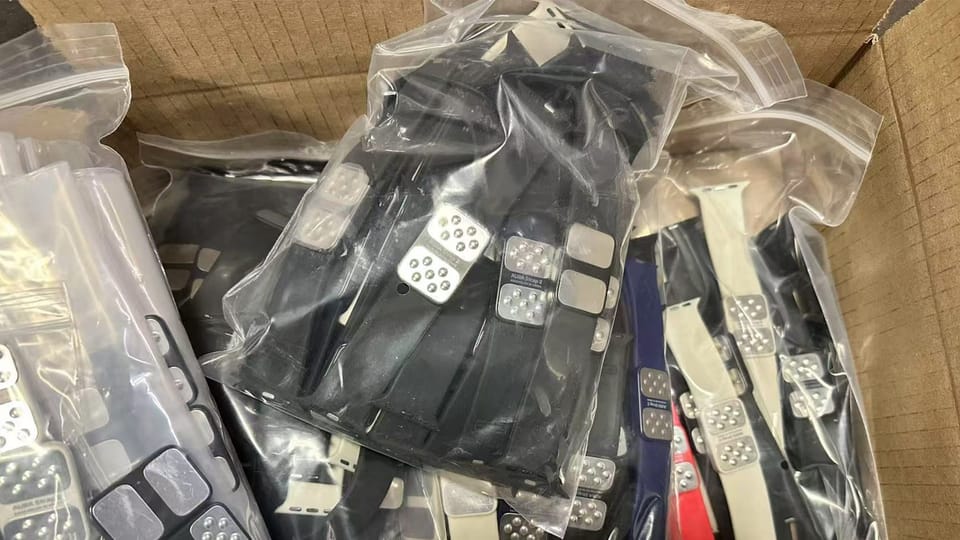
Many consumer brands are paying for product intelligence every single month. And every single month, they throw it in the trash.
This is when they process the refund, close the ticket, and never show it to engineering.
I am talking about RMA (Return Merchandise Authorization). The workflow that governs how products come back from customers.
Most brands treat RMA as a cost line. Track the return rate as a single number, try to push it down, move on. That is like receiving a diagnostic report on your product every month and archiving it without reading it.
A return you process and forget is a cost event. A return you inspect and trace is product intelligence you already paid for.
But not every return becomes an RMA. Retailer-managed returns, chargebacks, returnless refunds. A big chunk of failure signal never enters your system at all. Step one is making sure returns actually flow into a structured process before you try to extract insight from them.
Here is what a well-structured RMA process gives you:
- Failure mode clustering: a large share of returns citing the same defect is a design problem, not a customer problem
- Batch traceability: return spikes from a specific ship week point to a production or supplier change
- Warranty cost modeling: real return data lets you forecast reserves instead of budgeting a flat percentage
- Channel-level signals: one retailer running much higher return rates often means a handling, storage, or listing issue
- Prioritized engineering input: every structured return reason is a bug report from someone who already paid you
The hard part is not collecting this data. It is making it trustworthy enough to act on.
Return reasons are noisy by default. Customers misclassify. Call center agents default to "Other." "Not as described" might mean a listing problem, an expectation gap, or a real defect described poorly. I saw how engineering teams struggled to manually review thousands of tickets because initial classification was so off that the data was literally unusable.
The minimum viable fix: standardize reason codes into structured categories, require photo evidence at intake, and run a lightweight physical triage on returned units. Photo, quick classification, quarantine bin. That single step turns RMA from admin paperwork into an engineering signal.
What I would do:
- Standardize return codes with evidence requirements, not free text
- Train support staff to correctly classify return reasons
- Review RMA data monthly with engineering in the room, not just ops
- Tag every return by production batch, sales channel, and SKU
- Set return rate thresholds that trigger root cause investigations automatically
- Feed findings back into design, sourcing, and marketing copy
If you sell physical products and your RMA workflow ends at the refund, you are funding a product intelligence system and throwing away the output.