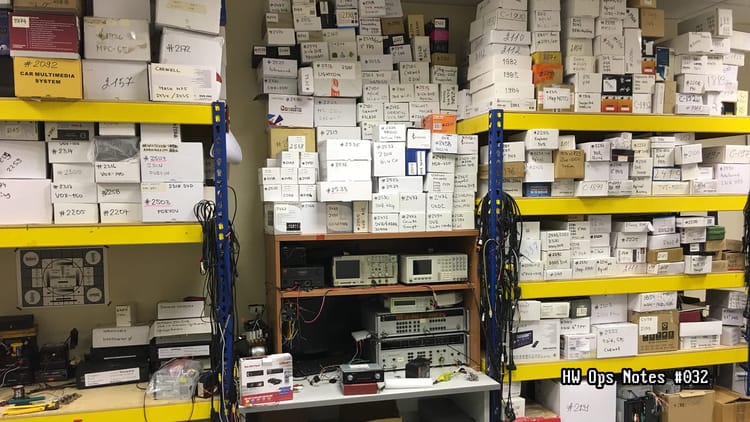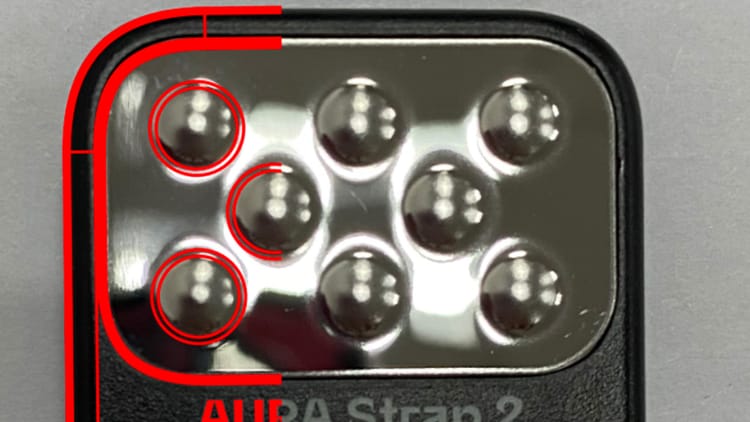
The default that ships defects
You can pass every functional test at the factory and still ship a product that falls apart in a week.
A cover rattles loose in transit, a ground screw backs out after thermal cycling, or a plastic boss cracks three days after delivery.
The board works, the firmware works, the test passes, but the screw did not get the right torque.
This happens on most lines where torque is not explicitly controlled. Not because people are careless, but because nobody treated torque as a design parameter.
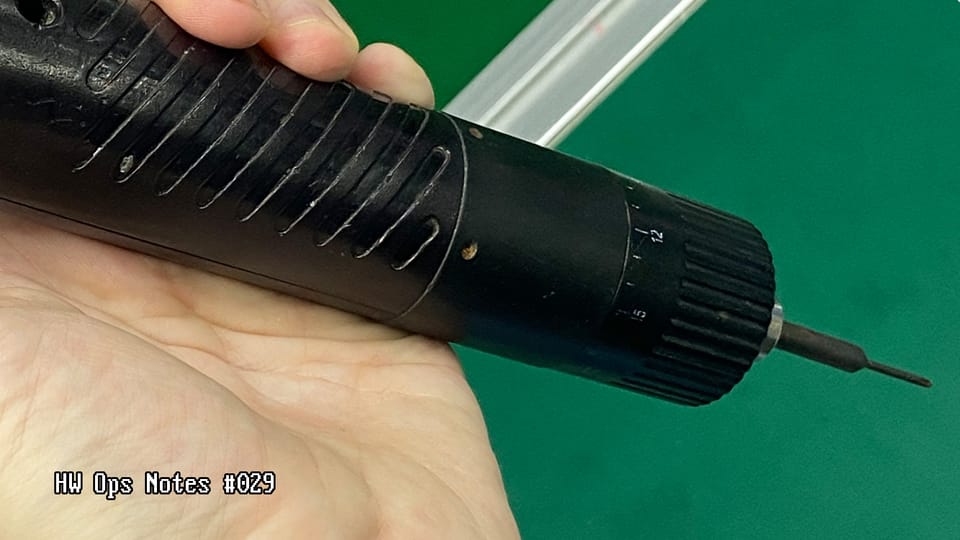
Electric screwdrivers are on most assembly lines. Fast and reliable, but only as good as the torque value someone programmed into them.
If nobody specified that value, the operator picks what feels right. Different operator, different shift, different feel.
A torque spec is not a manufacturing preference. It is a product definition.
Here is the control plan I recommend running before production.
Define it
- Put torque values (in Nm), screw part number, thread type, bit type and size (PH2 vs PZ2, wrong bit causes cam-out), tightening sequence, and counter-hold requirements in the SOP / work instruction at the station. If the operator has to guess any of these, they will guess differently than the last one
- Choose your joint strategy early: thread-forming into plastic has a narrow torque window, machine screw into a brass insert is more forgiving but adds insert press-fit variables
Control it
- Lock driver programs to station or variant through barcode, MES, or driver controller
- Color-coded bits and screw presenters help prevent mistakes but do not replace programmatic torque locking
- Test torque-to-failure on your actual boss design before setting production limits, the margin between seated and cracked depends on geometry, material, and wall thickness
Prove it holds
- Audit with a defined method and written acceptance limits, not just spot checks
- Breakaway torque is not applied torque, and friction, threadlock, and plastic relaxation all shift the reading
- Plan for retention, not just initial torque: vibration, thermal cycling, and plastic creep mean "tight on day one" does not mean "tight on day thirty"
Most DFM reviews cover moldability, component placement, and test access. Fastener assembly gets two words in the work instruction: "install screws."
That is where your field failures start.