G07 This is not a part. It is a lock-in (Tooling)
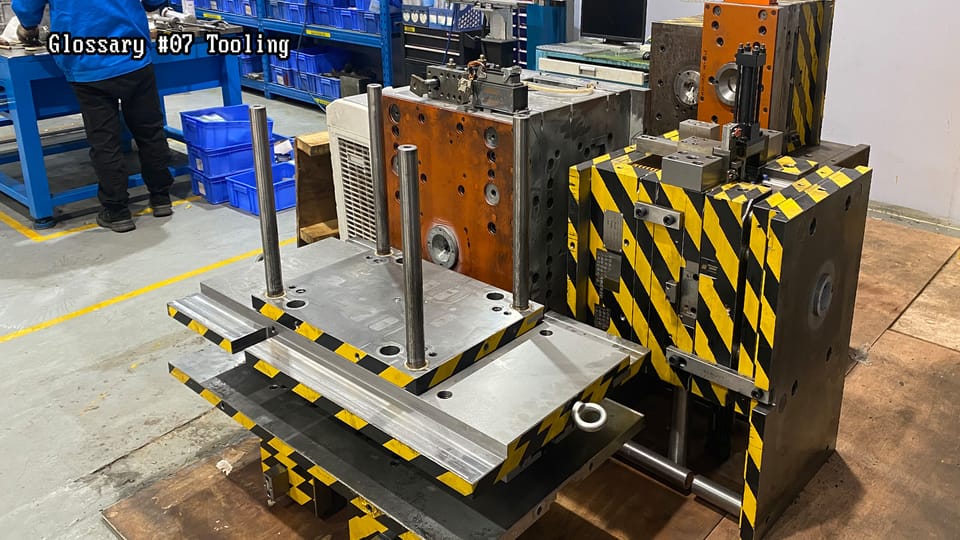
Most founders treat tooling as a procurement task. It is actually a strategic lock-in. The day you pay for that mold, your leverage over that supplier starts shrinking.
Tooling is the collection of molds, dies, jigs, and fixtures required to manufacture at scale. It is the bridge between your design and production. And it is where most hardware projects get locked into supplier relationships they did not plan for.
Tooling is not a purchase. It is a commitment.
Types of tooling you will encounter:
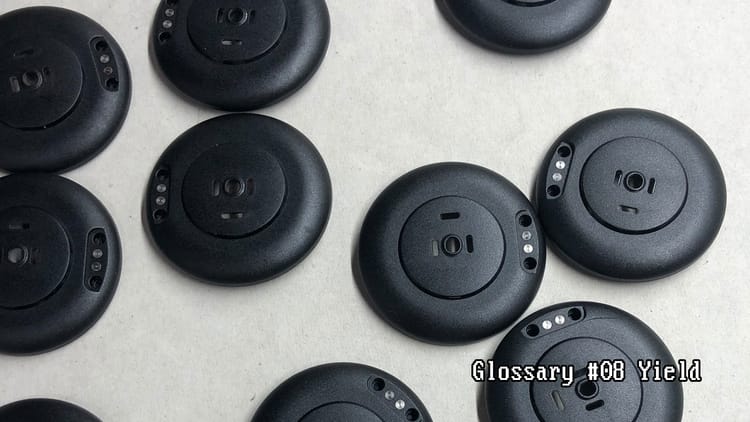
- Injection molds shape plastic parts, from single-cavity aluminum prototypes to multi-cavity hardened steel for volume
- Die casting molds do the same for metal, typically aluminum or zinc alloys
- Stamping dies cut and form sheet metal, with progressive dies handling multiple operations
- Jigs and fixtures hold parts during assembly or machining to ensure repeatability
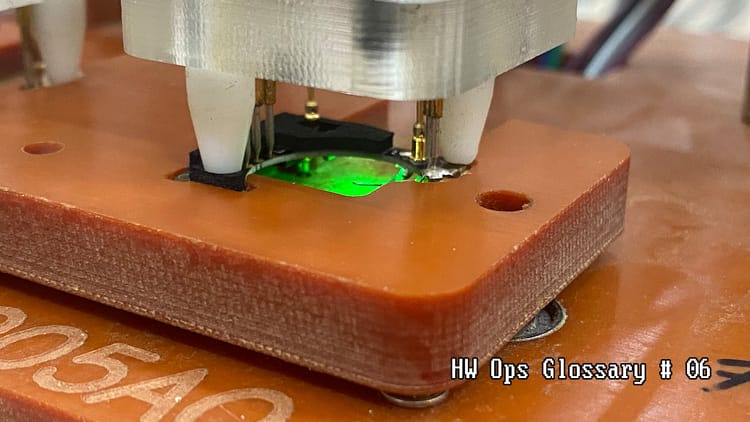
- Test fixtures interface your product with test equipment before shipment
The nuances that kill schedules:
- Lead time varies more than quotes suggest. Simple aluminum tooling can be 4 to 6 weeks. Hardened steel with slides, textures, and hot runners can stretch past 12. Capacity and complexity drive this, not just the number on the quote.
- First samples often need work. Plan for 2 to 3 rounds of modifications (T1, T2, T3). Some teams hit acceptance at T1. Others go to T5. The difference is usually DFM discipline before steel is cut.
- Steel-safe decisions matter. Changes that remove material are cheaper than changes that add it. Lock your draft angles, wall thickness, and gate locations before tooling starts.
- Acceptance criteria should be explicit. What does "passing" mean for T1? Cosmetics, flash, sink, warp, dimensions, Cpk targets. If this is vague, expect arguments later.
The nuances that kill leverage:
- Ownership on paper is not ownership in practice. Confirm in writing that molds belong to you and can be transferred without permission or fees.
- Storage and maintenance fees are quiet hostage mechanisms. Even when ownership is stated, factories can charge monthly storage or refuse release until fees are cleared.
- Relocation is not just logistics. Who packs, who exports, who handles paperwork, what lead time to expect. A 500kg steel mold does not move easily.
- Tool identification protects you. Mark molds, photograph cavities, log shot counts. Without documentation, ownership is theoretical.
Checklist for your first supplier conversation:
- Who owns tooling after payment
- Can tooling be transferred, and at what cost
- What is expected mold life (shot count)
- What storage or maintenance fees apply
- How many sample rounds are included
- What are T1 acceptance criteria
- What is lead time from PO to T1
Tooling is where your product becomes real and where your flexibility starts to narrow. Plan it like a strategic asset, not a line item.