Two meetings a day
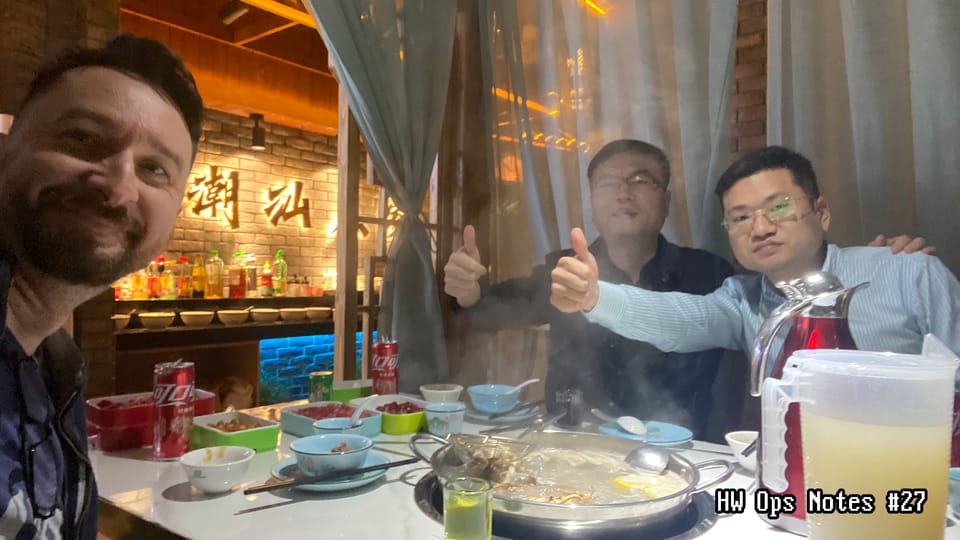
The founder who lost their best supplier pricing did everything right on the factory floor. Then they rushed through lunch.
Most founders schedule four supplier visits per day in China. That is how you stay transactional forever.
Two meetings per day is not a logistics constraint, it is a relationship protocol.
Here is the math: two meetings means two meal slots, lunch and dinner. Three meetings means one skipped meal. One skipped meal means one factory boss who remembers you were too busy to sit down with them.
The contract gets signed in the meeting room, the relationship gets built at the table.
One dinner does not make you a trusted partner. Guanxi, the trust tier where pricing flexibility and real access live, takes time to build. Multiple visits. Multiple meals. Favors exchanged over time.
But here is what most founders miss: you cannot skip dinners for three years and then expect to reach the inner circle. Every meal is an audition. Miss enough of them, and you stop getting invited.
What happens at dinner that does not happen in a meeting room:
- The boss gauges whether you are a one-order customer or a long-term partner
- You hear about capacity constraints, competing customers, and factory politics that never surface in status calls
- Pricing concessions get floated informally before anyone puts them in writing
- Small gestures like accepting a toast or asking about their business journey get remembered years later
Practical rules for your next trip:
- Block 2-3 hours for each meal, not one
- If you drink, pace yourself with baijiu. If you do not, decline with a toast and a compliment, not an excuse (this is what I do)
- Bring a small gift from your home country, nothing expensive, just thoughtful
- Do not check your phone during dinner
- If you are not the decision maker, get your CEO on the first dinner, then you run day-to-day
Western founders optimize for efficiency: more meetings, faster decisions, tighter schedules. Chinese suppliers optimize for trust: longer meals, slower timelines, deeper commitments.
These systems collide at the dinner table. If you force yours onto theirs, you lose.
The factory tour shows capability. The dinner shows character. Both matter. But when capacity gets tight, only one determines whether you get the call.
What is the most unexpected thing you learned at a supplier dinner?