Your factory is ghosting you? They are just napping
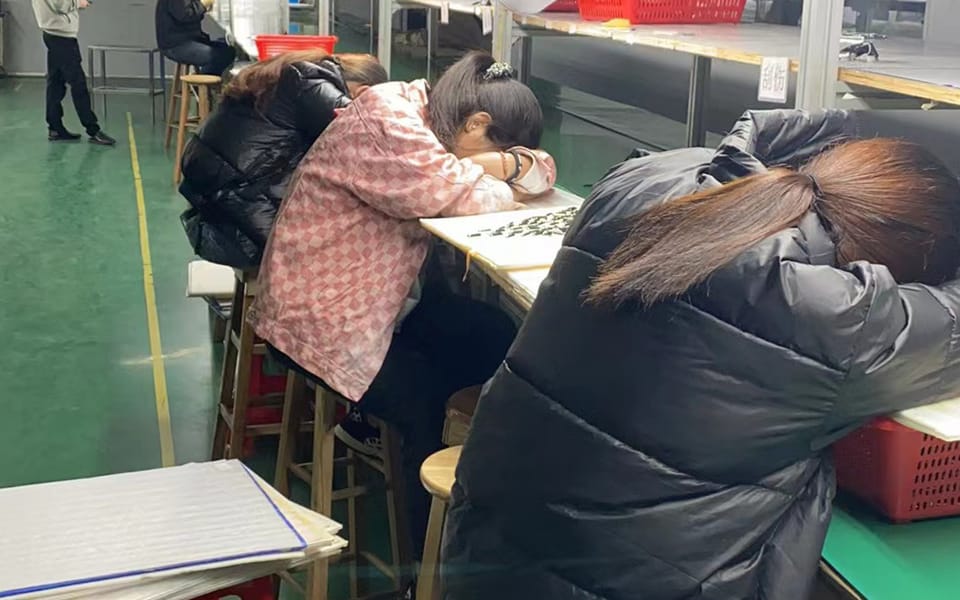
12 pm in China is not a time. It's an off switch.
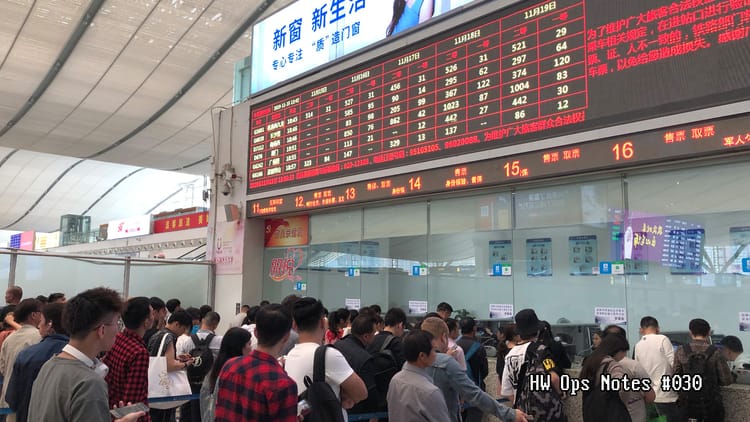
If you have ever worked with factories in China (and in parts of Southeast Asia), you have seen it. Everything is moving fast, replies are instant, people are on WeChat all the time. And then, suddenly, nothing.
What is happening is simple: the midday break. The whole region pauses, and this is not an exaggeration.
The midday break usually consists of a lunch around 12:00-12:30 pm, and then a short sleep, often about an hour. In some offices and factories, it is fully institutionalized: lights dim, chairs recline, some people literally have folding beds or mats. People sleep at their workplaces or seek quieter places. Nobody thinks this is weird. It is just how the day is paced.
Why does it exist?
Because the workday often starts early, the pace is high, and people assume you will be more productive (and less miserable) if you reset in the middle. It is treated like a practical tool, not a luxury.
I learned this on my first trip to China. I was visiting Huawei offices and came around 1 pm. The meeting room we were supposed to use was occupied by sleeping people. Our host walked in and, quite unceremoniously, drove them out so we could start. I was genuinely shocked. My first thought was: these guys must have pulled an all-nighter and are literally sleeping at work. Later I realized: no, this was normal. I just walked into nap time.
My kids also have a midday nap at school in Taiwan. And they had the same routine back in Vietnam. Once you see it as part of the daily rhythm, it makes total sense.
If you are a visitor, a customer, or the person pushing a project forward remotely, do not expect engagement from 12:00 pm to 1:30 pm local time.
Messages get seen, or even replied to, but never acted on. Junior staff will protect that window hard. They will avoid new tasks right before lunch, because any new request can spill into their only real break.
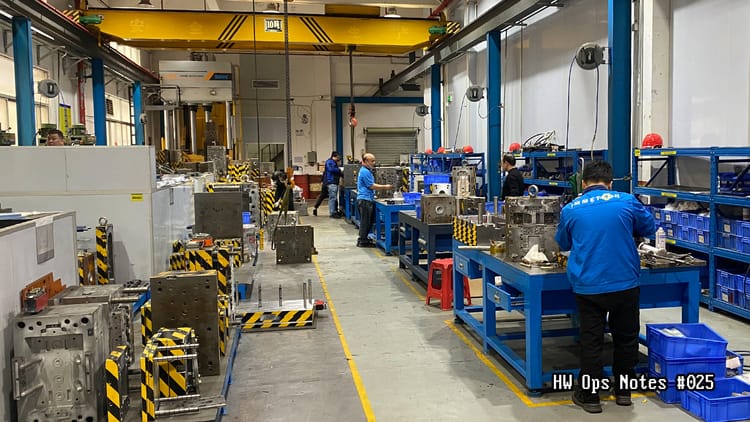
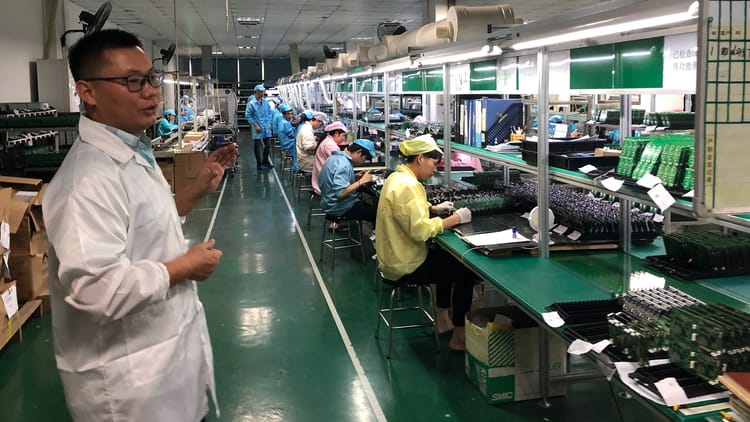
Even if you're visiting a factory in person, the line manager who was following you all morning can just disappear at noon without saying a word. And you may encounter them sleeping at their desk, oblivious of your existence.
When you are visiting the factory, you usually get offered lunch with the laoban (factory's boss). It usually takes more than an hour, so you may not even notice the midday break. But in everyday life, the noon break is a reality.
Practical tips:
- Plan reviews, negotiations, and production line visits for 8:30-11:30 am or after 1:30 pm
- Send critical requests before 11:30 am, not at 12:10 pm
- Do not schedule "quick calls" at 12:30 pm. They are never quick
In China, time is not just a clock. It is a rhythm. Work with the rhythm, and you get speed.