Your spreadsheet was polite. Reality is not
Most founders think they know their unit cost because they priced out a BOM. They priced out the wrong one, and their margin was never real.
Engineers create an Engineering BOM: PCBA components, plastics, screws, connectors. That is the product. It is not the cost.
The Manufacturing BOM adds everything required to deliver a finished, sellable unit: retail box, foam inserts, polybag, printed manual, labels, accessories, master carton. Packaging alone can add $2-5 per unit on a consumer product. The MBOM is your complete material cost. The EBOM is a subset of it.
Most first-time founders never make this transition. They price the EBOM, put that number in the deck, and discover the gap when the factory sends the first production invoice.
EBOM is the product. MBOM is the product you can sell.
Then there is COGS: the direct cost of producing and delivering that MBOM as a finished unit. On top of materials, COGS includes:
- SMT, manual assembly, and final assembly labor
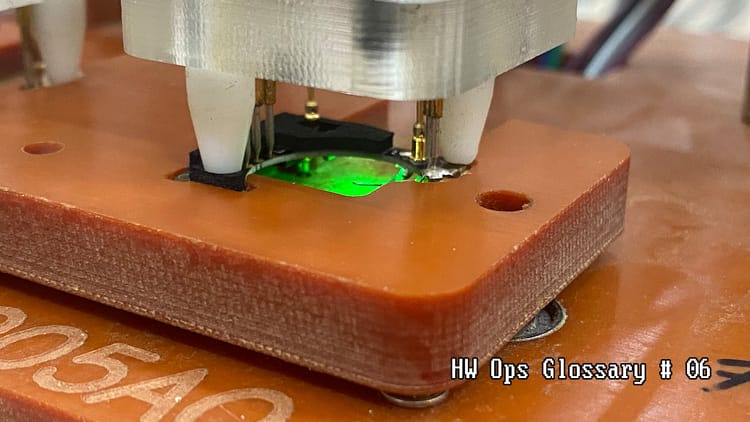
- Functional testing, calibration, burn-in, plus the fixtures behind them
- Yield loss and rework, often 3-8% on early runs before the process matures
- Inbound freight and duties to factory (structure depends on your Incoterms)
- Factory overhead allocated to your line: NPI engineering, incoming QC, changeover, warehousing
The uplift from MBOM to delivered COGS varies by product. Labor-heavy or test-intensive builds can see 30-50% on top of materials. Module-heavy products with expensive components run lower. First runs with small POs are usually the worst.
Two categories sit outside per-unit COGS but will eat your cash before you ship a single unit:
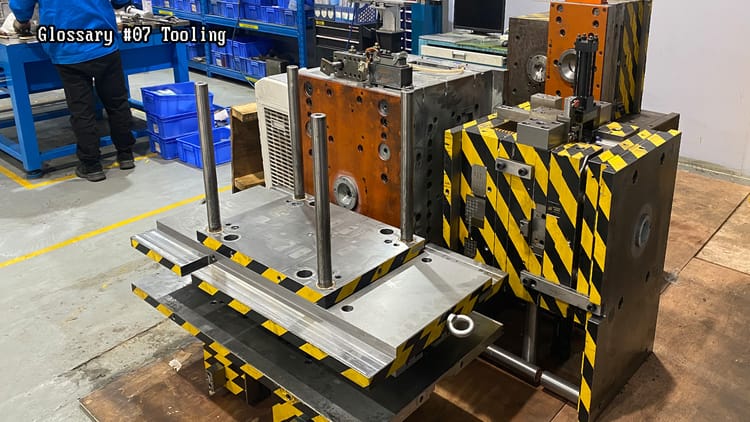
- Tooling and NRE: injection molds, jigs, test fixtures, regulatory certifications (FCC, CE, UL, UN38.3). These are capital or one-time costs that hit per-unit only if the factory finances them into the piece price
- Warranty and DOA reserve: technically below gross margin on the P&L, but if you do not budget for returns on your first real shipment, you will learn fast
For pricing decisions, the accounting label does not matter. The cash does.
One founder I worked with had an EBOM at $23. The MBOM came to $28 once packaging was counted. Delivered COGS landed at $34. That $11 gap between what the engineer listed and what it actually cost to ship was a margin that never existed at the volume they committed to.
Build your cost model before you lock pricing. Start at "components on a reel at the factory" and end at "unit clears destination customs." After every run, update with actuals. Not factory quotes. Real POs, real yield reports, real freight invoices.
Quotes are intentions. Invoices are facts.